Poof the Floof
Poof the (fake) floof in this 2d isometric rapid-fire clicking game! Find the impostors, keep your dream herd safe, and last as long as you can.
Made as part of BRGD Dream Suite, a collection of three minigames themed around sleeping, sheep, and dreams.
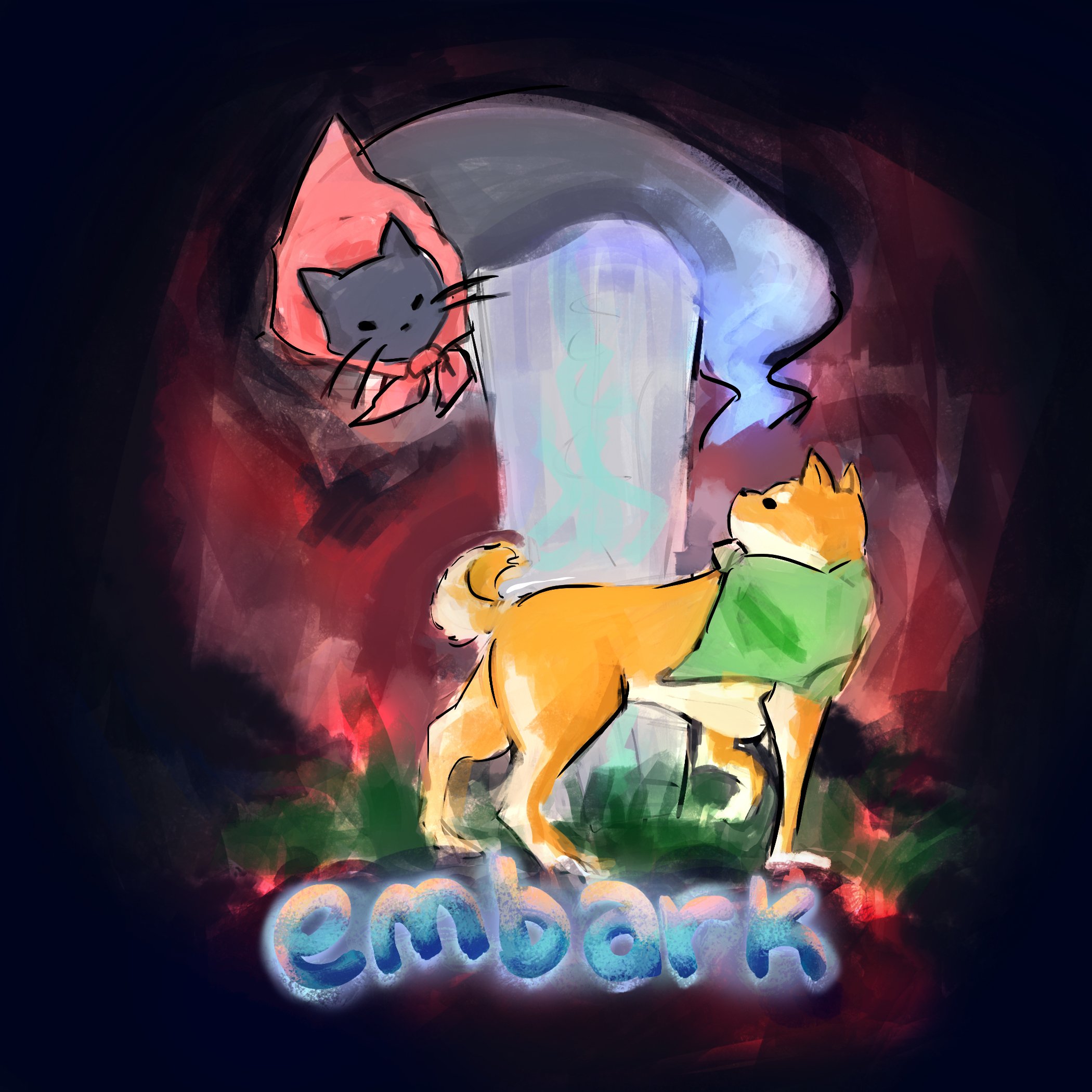
Development Info
Role: Lead Artist, Lead SFX, Level Designer
Company: Developed with Chris Yu
Software: Photoshop, Godot, Davinci Resolve 15
Duration: Spring 2019
Team Size: 2
Game Info
Genre: Platformer
Platform: Windows and Mac
Project Status: Released Spring 2019
Controls: Keyboard and Mouse
Links
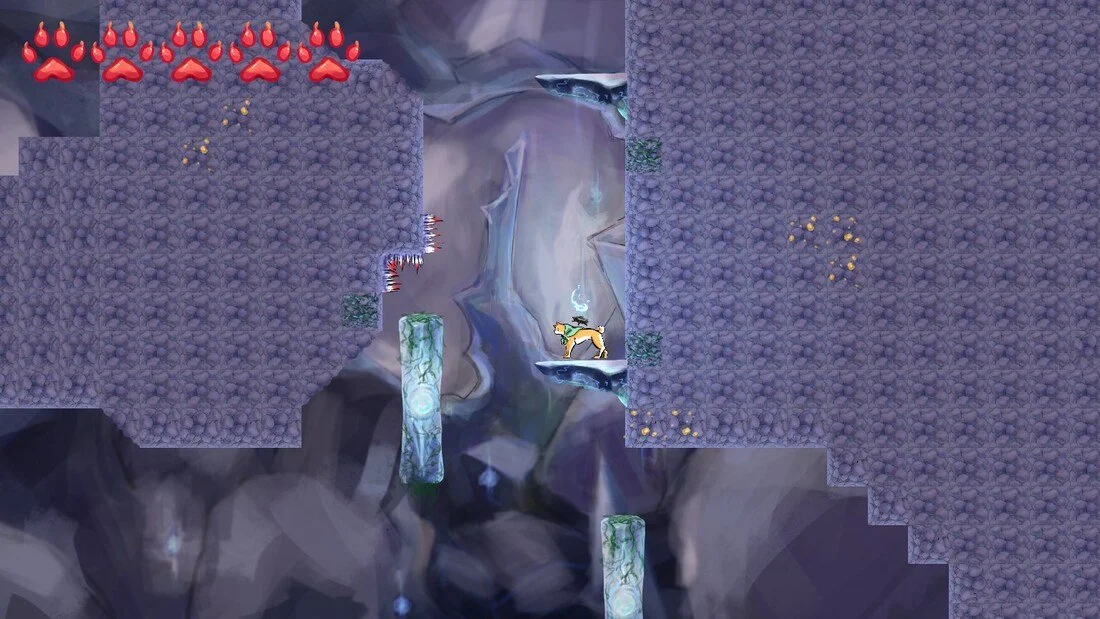
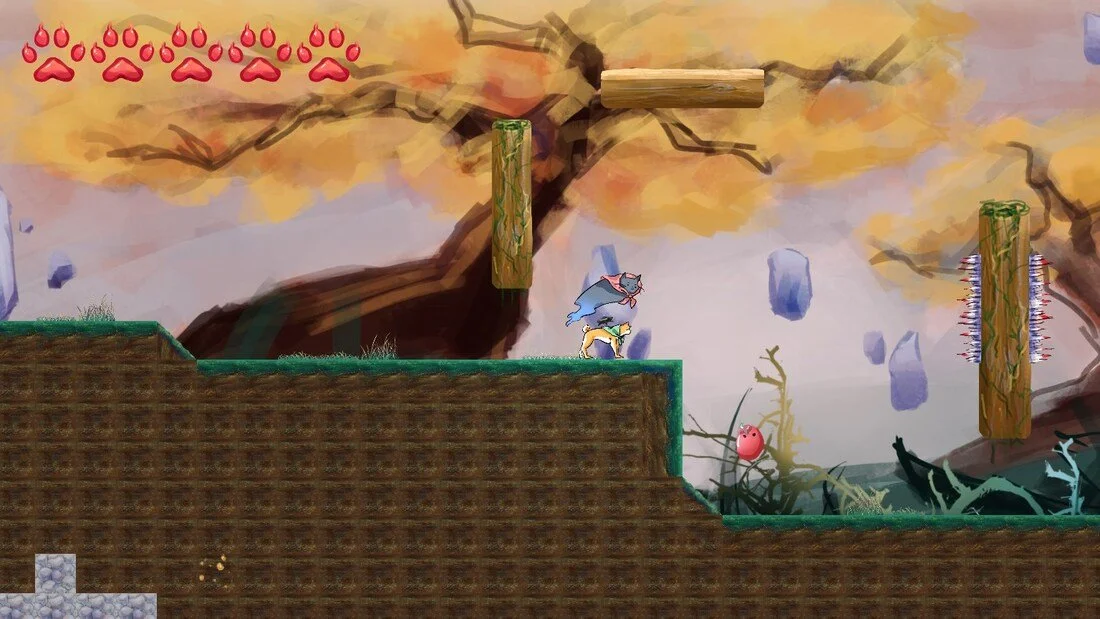
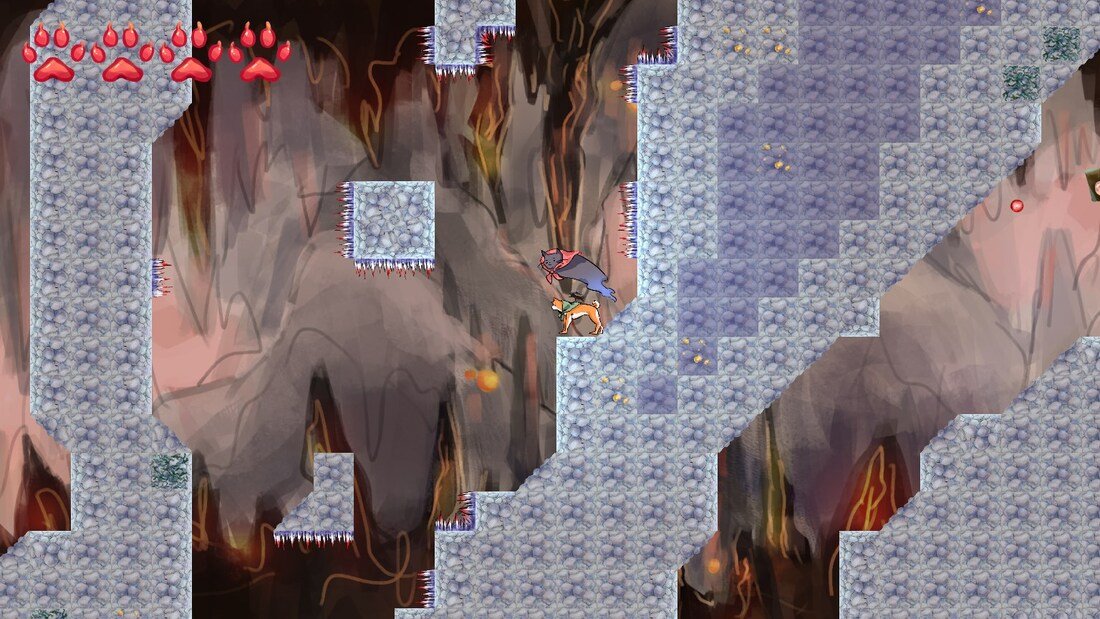
My Contribution - 2D Art
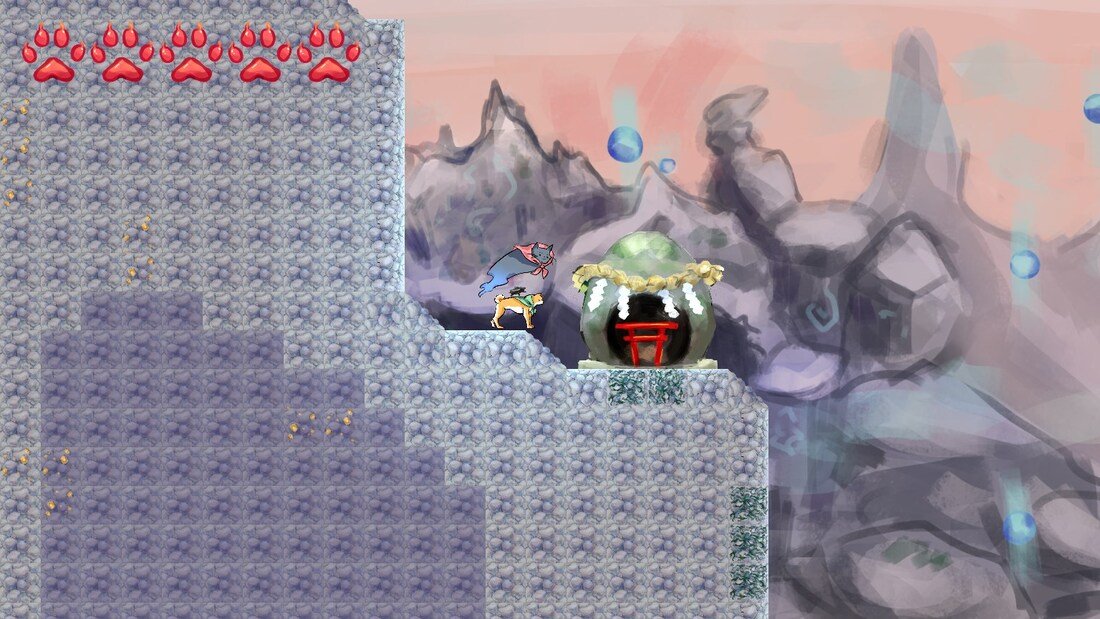
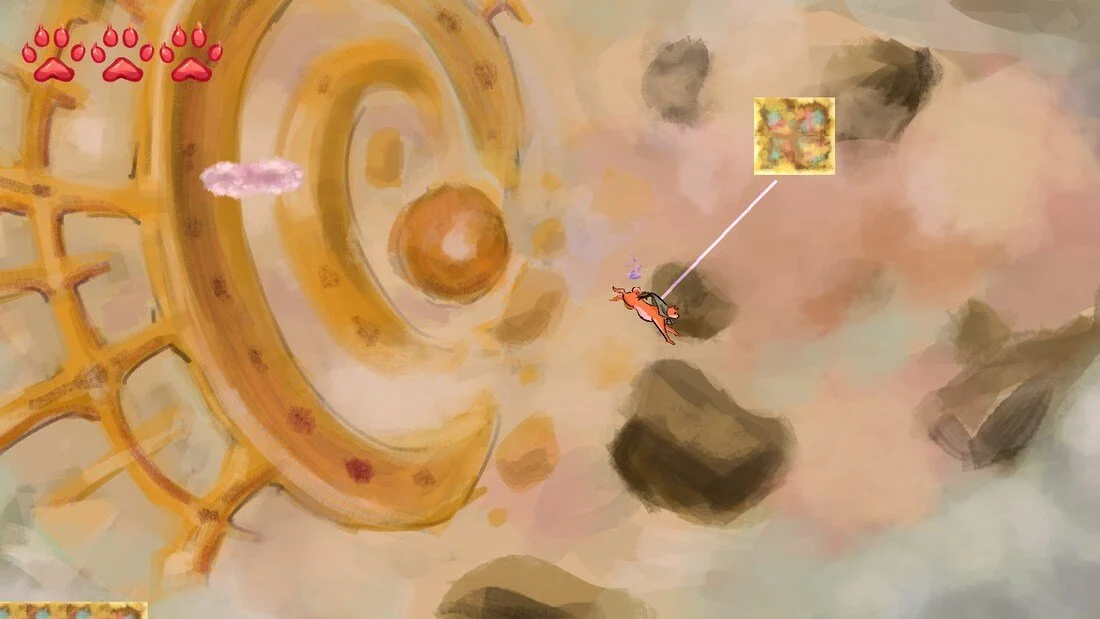
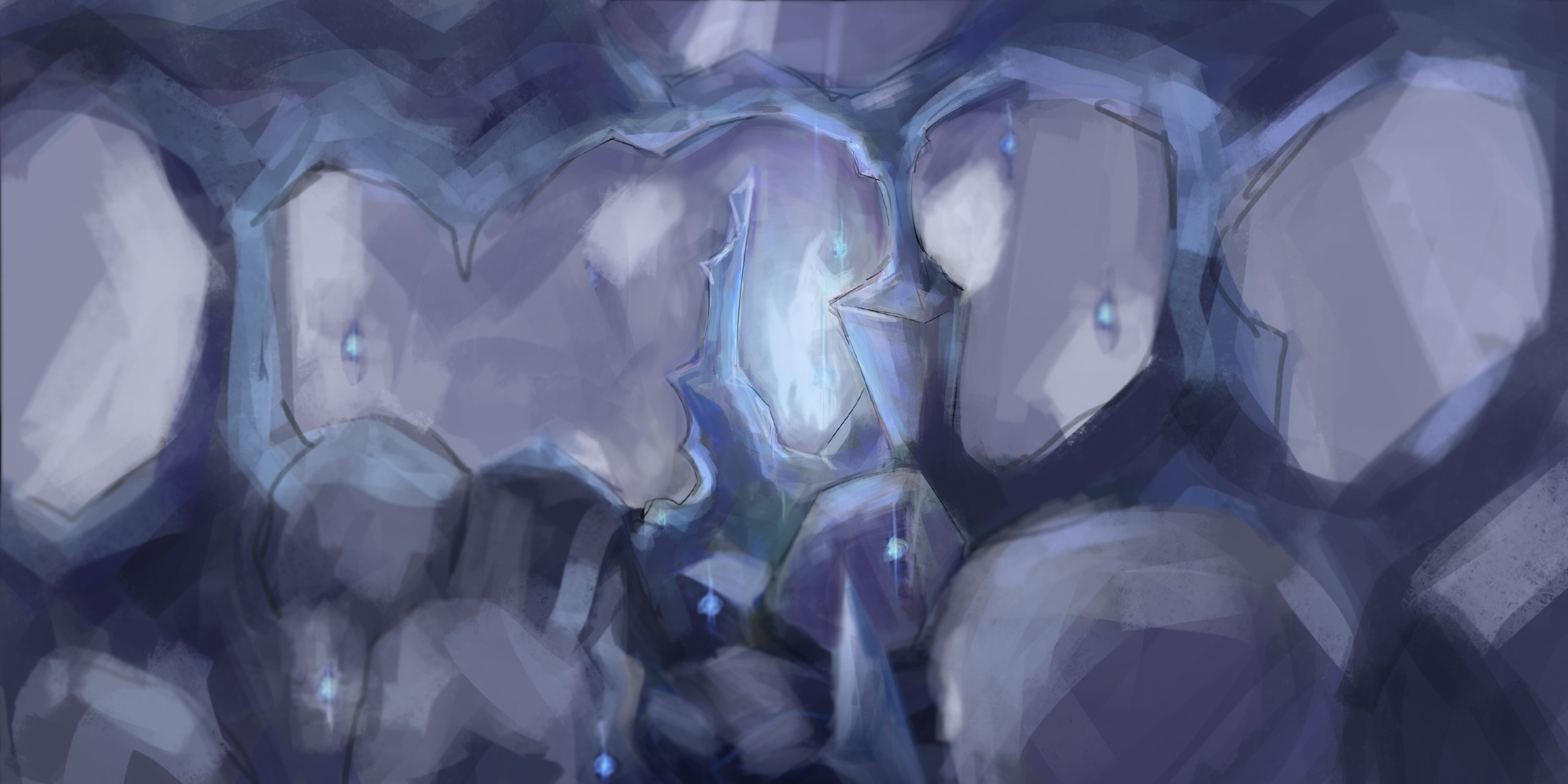
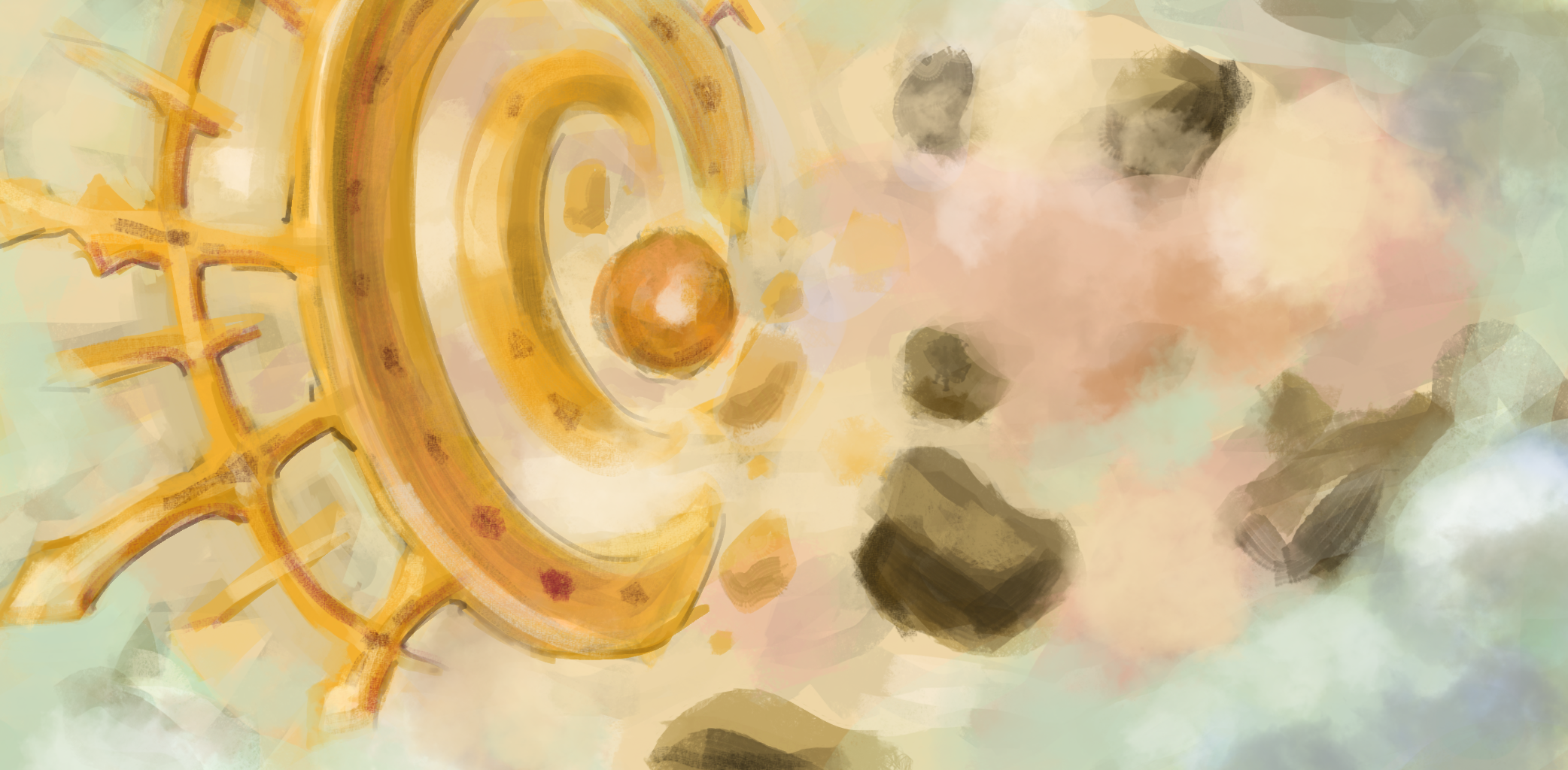
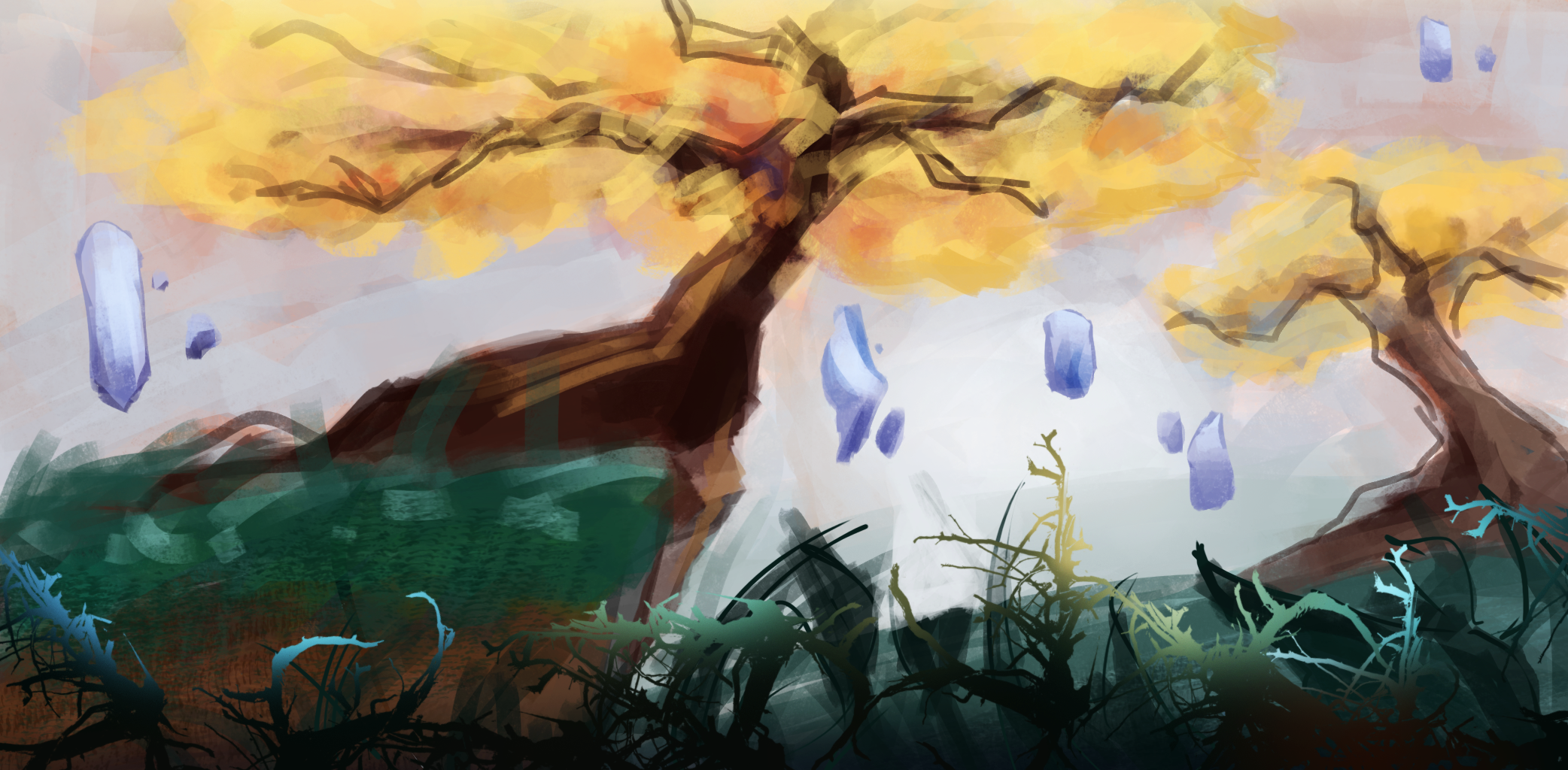
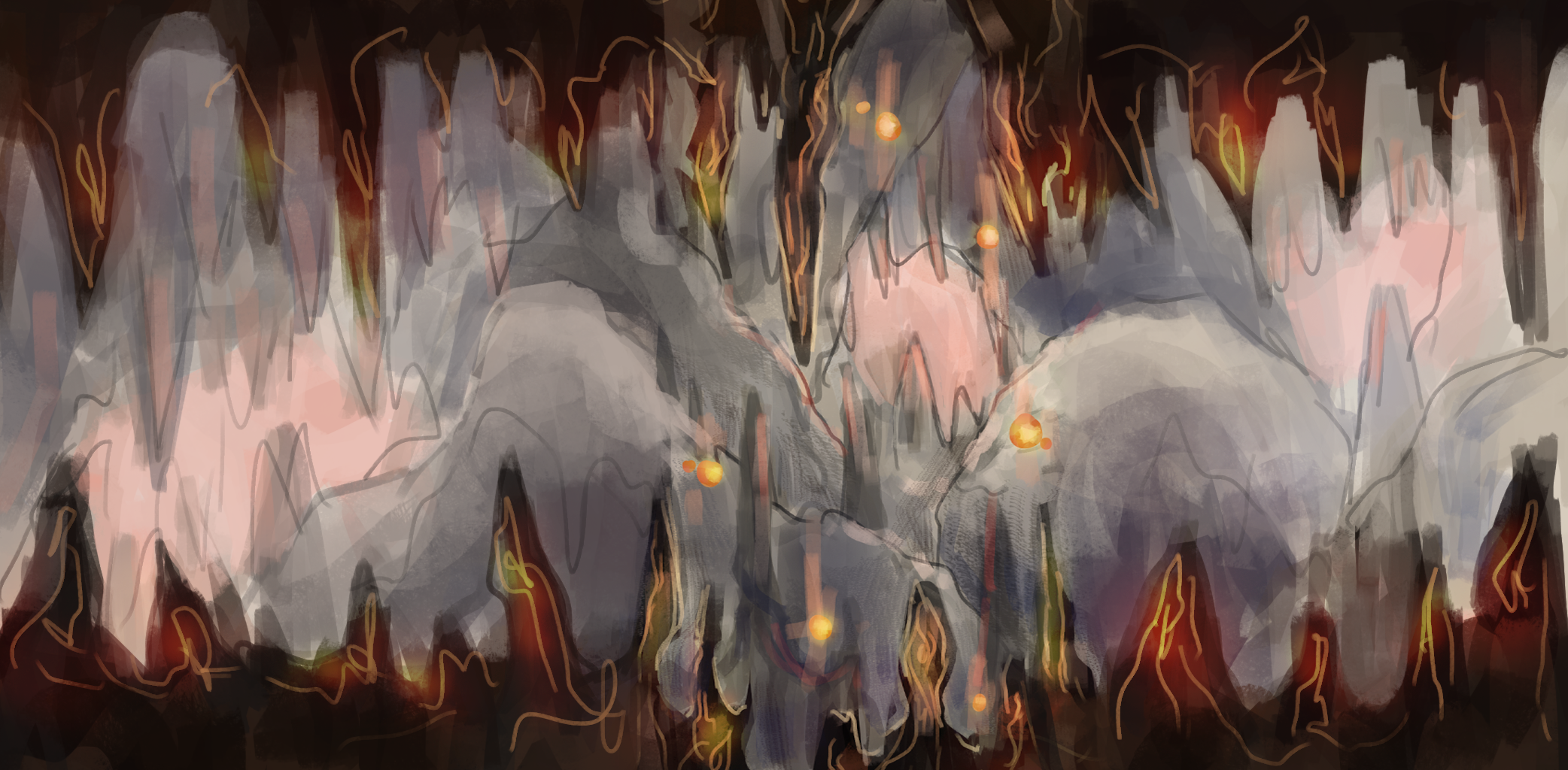
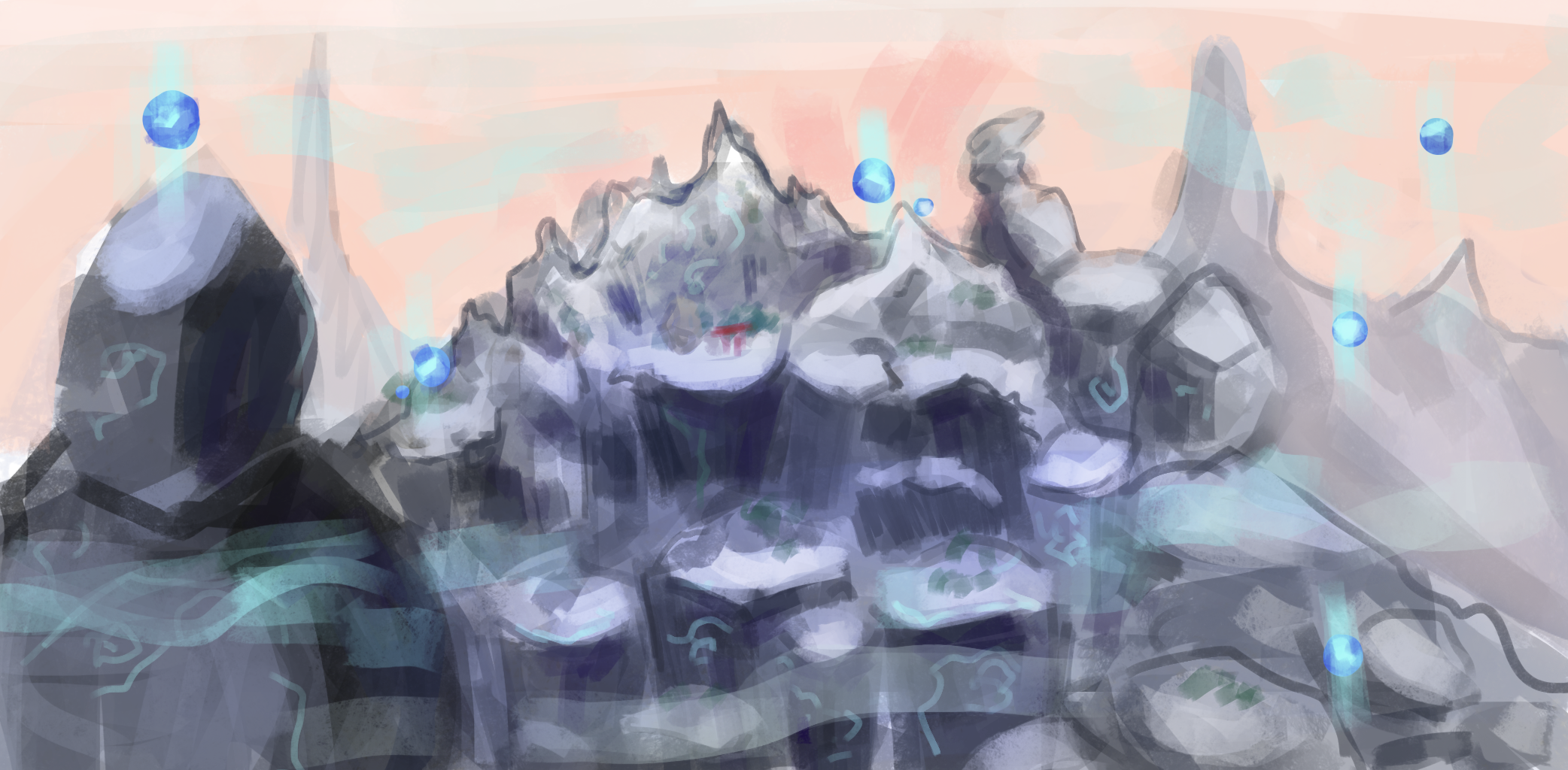
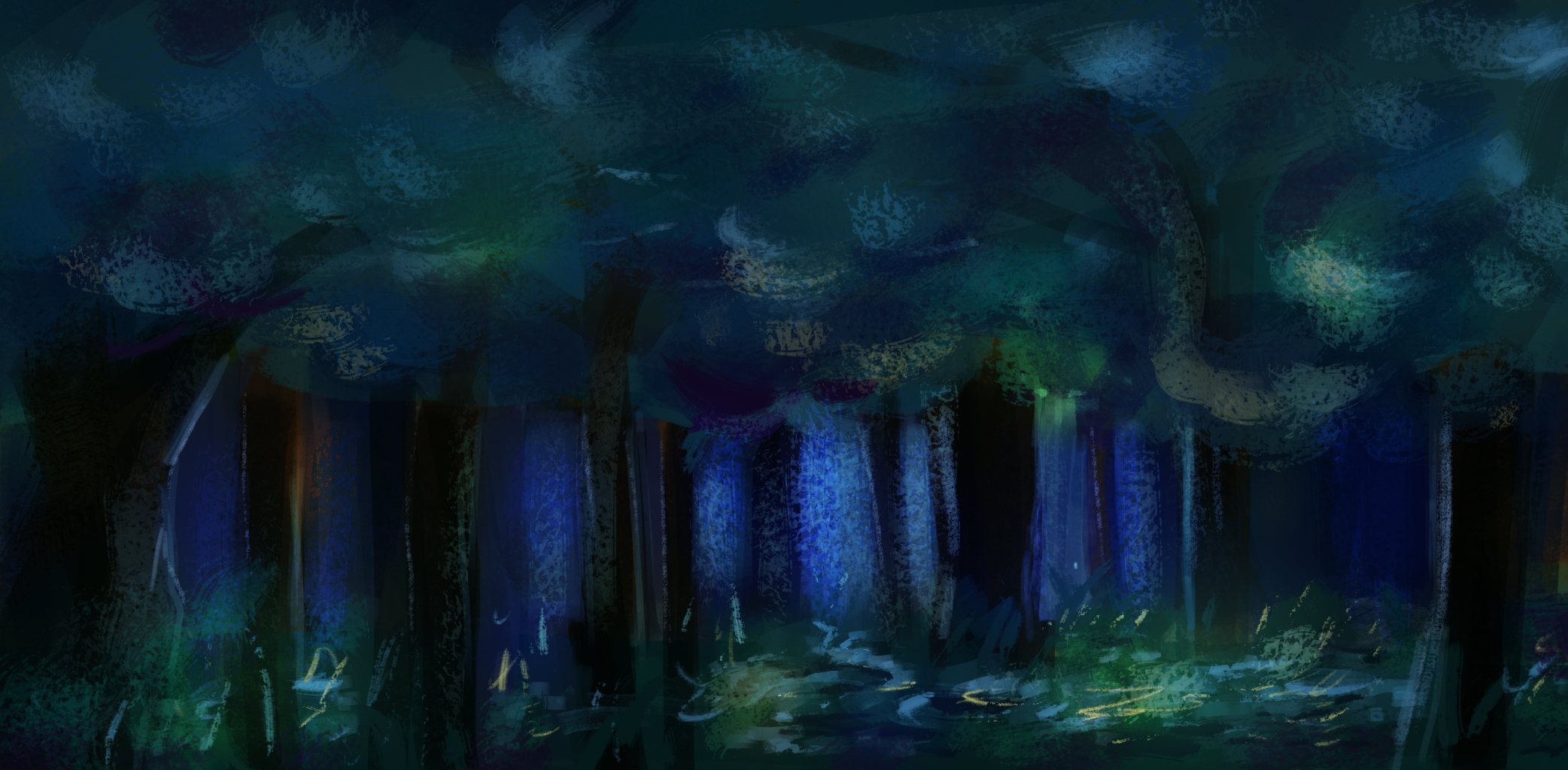
Created concepts for characters, environments, and UI
Animated and implemented sprites for player and enemy characters
What I Learned
I worked with Chris Yu for my high school senior project to develop Embark, a single-player platformer video game. I was in charge of visual assets, so I designed and animated everything for the game, including the player character, enemies, backgrounds, cutscenes, and various GUI elements. Later in development, I would rotate between game design, sound design, and still visual assets. All of my work was created in Adobe Photoshop. I made the cutscenes in DaVinci Resolve 15, while the game itself was made in the Godot game engine.
At first, figuring out how to animate drawings so that they looked good and felt good to play was challenging. I had also never worked with sprite sheets. Making sure that everything lined up so that a character or environment could be smoothly implemented into the game engine was something new, but I became more comfortable with it as the project progressed. My favorite part of developing Embark was polishing the animations for the player character’s abilities and painting backgrounds, while my least favorite part was making tilesets.
At the end of the first week, we had implemented all of the player character’s movements and abilities along with their assets. During the second week, I worked mostly alone since we had AP Exams; I focused on enemy animations and drafted backgrounds and tilesets. I spent the third week finalizing backgrounds, designing levels, and creating drawings for the cutscenes. Finally, I spent the last week making sound effects and putting the cutscenes together.
Overall, making a video game is a lot of work on the programming side and the art side! I have a newfound appreciation for all the games that I played, especially those with stunning visuals. I stretched my creative limits with this project, and I was more than happy to put in extra time and effort into something that I’m excited about during my senior project.